
❓When AI Writes Code, What Will Engineers Do?
With coding no longer the bottleneck, Rajan believes engineers' next opportunity is moving into more strategic functions and designing better systems with AI in the loop.
- —2028 Prediction: Rajan expects most new code in large companies to be AI-generated by 2028. Every engineer becomes a tech lead, orchestrating systems and agents
- —Expanded Scope: Engineers now spend more time driving clarity and owning 'left of code' and 'right of code'—from planning/design to testing, rollout safety, and operations
- —New Grad Advantage: New grads mastering fundamentals and AI-native working will have huge advantage, potentially leapfrogging senior developers who haven't adopted AI
- —Core Competency: Edge comes from judgment—knowing when to trust AI and when to challenge it
Why it matters: As AI writes more code, engineers' moat shifts from typing to problem framing, system design, and oversight. Rajan's 'leapfrog' point is key: advantage may go to whoever learns to orchestrate AI fastest, not the most senior person.
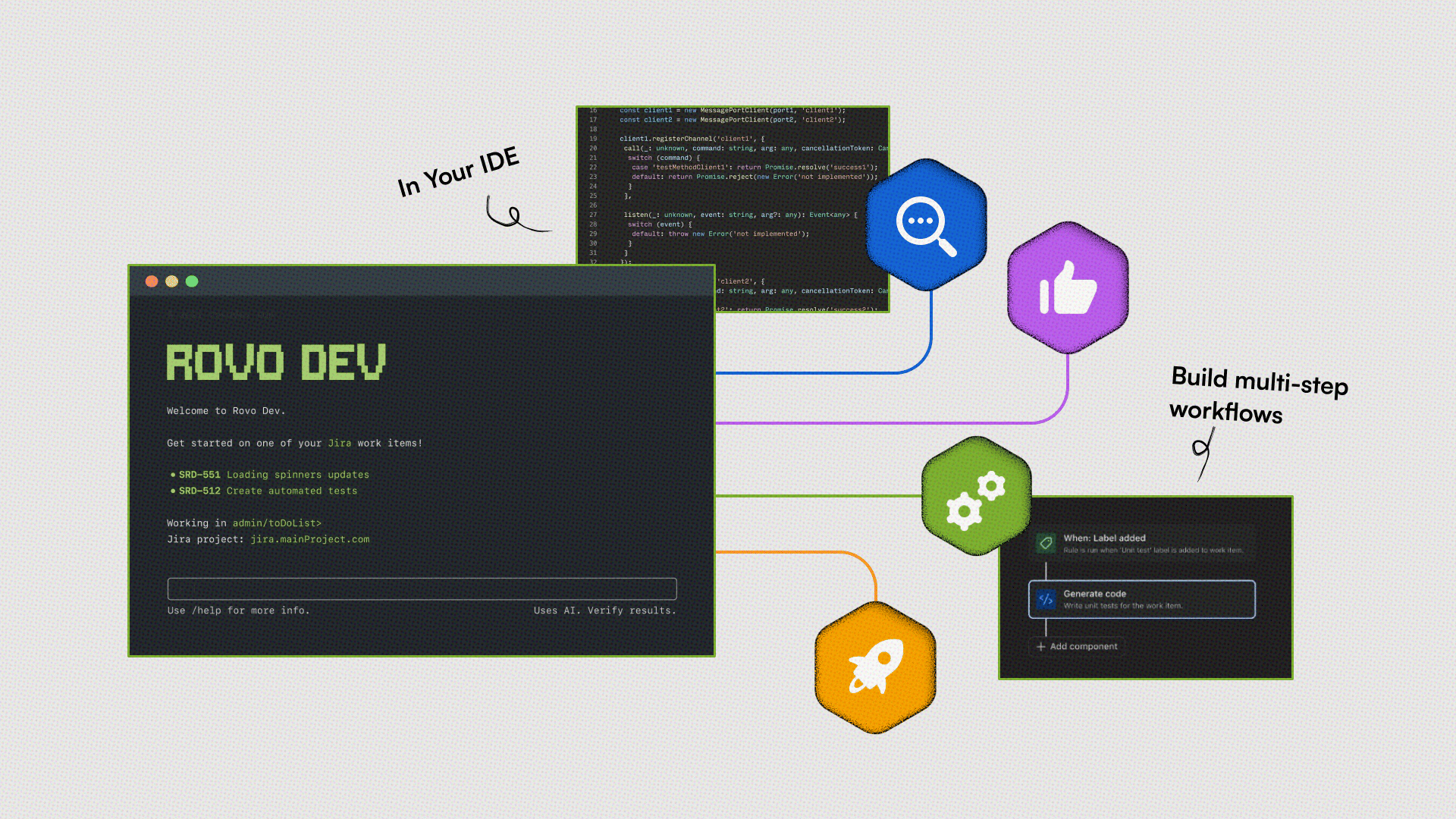
⚙️ Building Agentic AI for Developer Joy
Atlassian embarked on improving 'Developer Joy,' raising satisfaction scores from 49% to 83%. Teams move faster and feel more empowered, leading to direct product improvements.
- —Metrics: Tracked via regular satisfaction surveys and hard metrics tied to pain points. Developer satisfaction rose from 49% to 83%
- —Real Results: Confluence backend team cut full server build time by over 60% by focusing on a major friction point
- —Early Feedback: Engineers felt early Rovo Dev versions were 'magical in the wrong way'—useful but opaque about how it worked
- —Transparency First: Team scrapped and reworked early 'one-click done' flow because teams wanted more transparency and control. They needed to understand each step, how instructions led to outcomes, and ability to steer the agent
Why it matters: Rajan's early Rovo Dev story highlights how critical internal feedback loops are when adopting agentic AI. The more teams listen and iterate on opaque, risky, or frustrating parts, the stronger and more trustworthy the system becomes.

🧠What Happens When AI Makes a Mistake?
Rajan says powerful AI agents should only deploy to production with clear human ownership and ways to track, monitor, and steer behavior—creating an accountability layer as fast as the AI itself.
- —Accountability: When something goes wrong, 'the AI did it' can't be the answer—AI doesn't own customer trust, we do
- —Clear Ownership: Every AI-assisted decision must have clear human owner. If we can't understand or observe AI behavior, it doesn't belong in critical paths
- —Guardrails: Put guardrails and observability around AI, log and audit actions, treat it like any powerful tool—understand failure modes, monitor it, don't ship without ownership
- —Speed ≠ No Liability: AI can help move faster but doesn't replace judgment and responsibility
Why it matters: With agentic AI, accountability is non-negotiable. Get it right: unlock speed, trust, durable customer confidence. Get it wrong: massive consequences—autonomous systems amplify mistakes as quickly as progress.
⚡Truth About the 'Death of SaaS' Theory
Despite AI coding agents' rise, Rajan argues SaaS tools aren't going anywhere. In fact, he believes they'll get stronger—AI working across projects and controls tapping contextual insights.
- —Buy vs Build: When buying SaaS, customers buy workflows, shared context, security, compliance, reliability—not just code. Well-designed SaaS still matters enormously here
- —AI Adds Value: AI actually makes great SaaS more valuable. Projects, docs, tickets, conversations live in these systems; AI can move across them, automate boring parts, orchestrate agents around trusted workflows
- —SaaS Evolution: Rajan is more interested in SaaS becoming AI-native than hot takes that SaaS is dead
- —System of Record: AI will evolve platforms already holding organizational workflows and institutional knowledge as trusted systems of record
Why it matters: Debate continues, but one thing's clear: as AI agents grow more capable, SaaS foundations become even more important. AI will evolve platforms holding organizational knowledge.
⚡Quick Hits with Rajeev
Most underrated AI trend? Rajan: Many AI products today are designed for single-player systems. We see greater potential in how AI helps entire teams work better together—letting important context flow across human and agent teams.
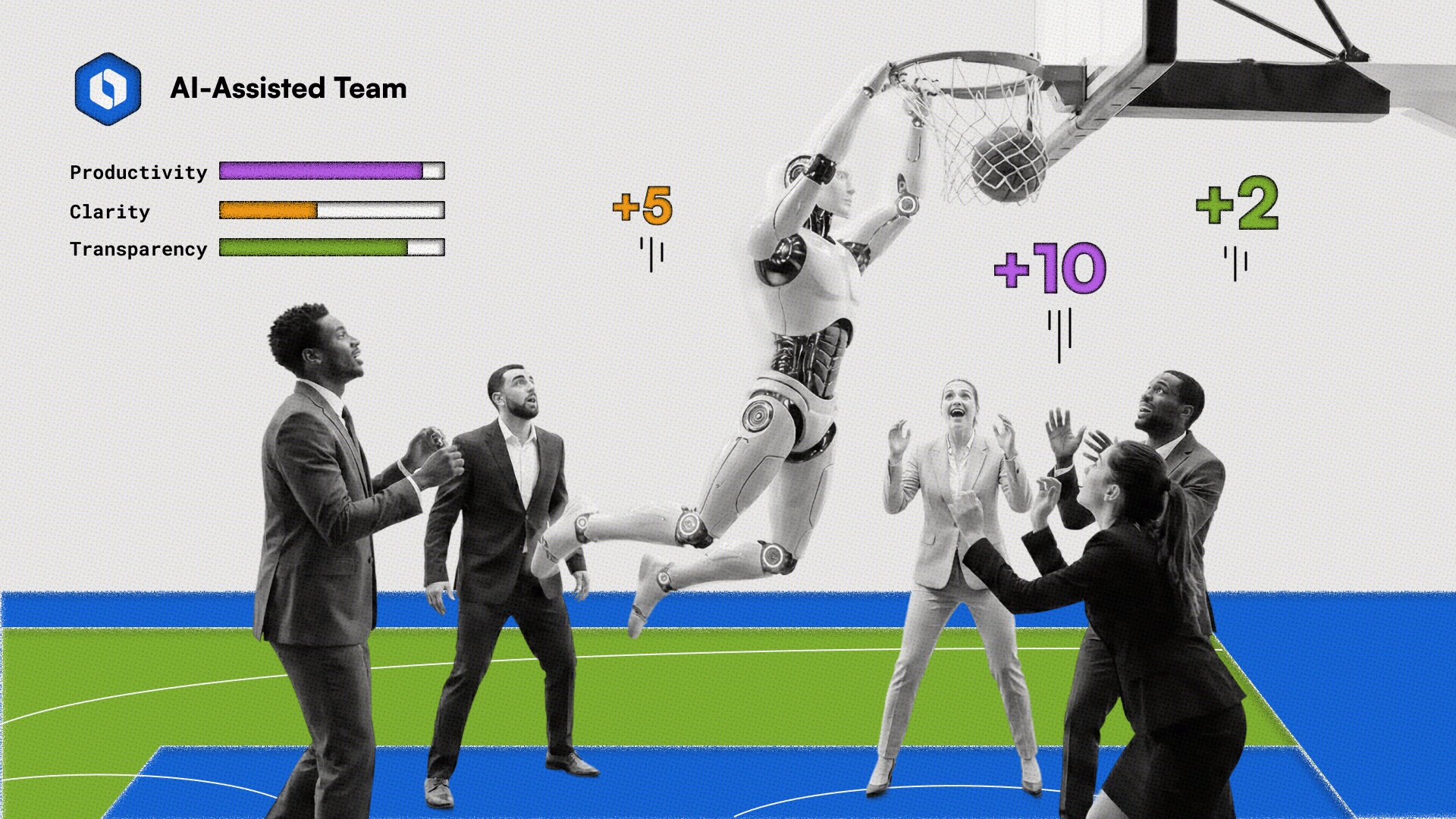
Something you believe about AI that most in tech would disagree with? Rajan: I think AI will make engineering more human, not less. Many worry we'll lose the craft—I believe we'll spend less energy on repetitive implementation and more on strategic, creative work and collaboration.
Advice for teams struggling with developer burnout? Rajan: Start by fixing one concrete, high-friction problem impacting your team. You'd be surprised how quickly chipping away at slow build times and noisy tooling can multiply and have greater impact.
Microsoft 20+ years, then led engineering at Meta. What did each teach you about building great teams? Rajan: Microsoft taught me deep technical rigor and building platforms that stand the test of time. Meta taught me pairing strong engineering talent with bias for fast iteration and learning. At Atlassian, I combine both: long-term architecture with culture that ships, learns, and adapts quickly.